A stationary 240-ton mining truck can cost thousands of dollars per hour in lost production. The difference between a downtime of hours and one of days is rarely in the breakdown itself: it lies in how prepared the operation was to respond.
When a high-tonnage fleet stops, the clock ticks against the opportunity cost of the entire mine, not just the repair. That is why downtime is managed long before the machine fails. These are the levers that truly move the needle.
1. Anticipate the stock of critical components
Not all spare parts deserve to be in the warehouse, but those that stop production do. Injectors, undercarriage components, high-pressure hoses, and model-specific filters should have local coverage or a rapid replenishment plan agreed upon with the supplier.
2. Have the reference identified before needing it
Much downtime is wasted searching for the correct part number while the machine is already stationary. Maintaining a list of validated references by machine model—and their approved aftermarket alternatives—turns an emergency into a simple order.
The data that counts
If you do not have the part number, identifying it by machine model and breakdown description saves you hours. At TLB, we do it for you before quoting.
3. Decide beforehand between original, aftermarket, or reman
In the heat of an emergency is not the time to evaluate alternatives. Having decided in advance which components accept certified aftermarket or remanufactured parts—and which require original parts—speeds up the decision and, often, the delivery time.
The shortest delivery time is not always the most expensive part: sometimes it is the alternative that is actually available.
4. Finalize logistics from start to finish
In international operations, transport and customs clearance can weigh more than the manufacturing of the part itself. Working with a supplier that coordinates transport, documentation, and customs prevents a available spare part from getting stuck halfway.
Summary
Reducing downtime is, above all, a matter of preparation: anticipated critical stock, identified references, decided criteria on alternatives, and finalized logistics. When all that is resolved, the breakdown ceases to be a crisis and becomes just another order.
Tags
Read More
Related Articles
-
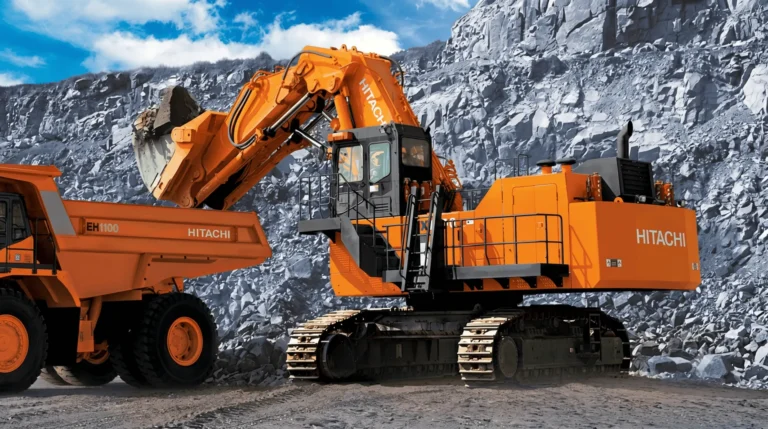
Plant wear consumables: what to always keep in stock
Trustynet • 24 de June de 2026In a processing plant, a shutdown doesn’t affect one machine: it affects the entire line…. -
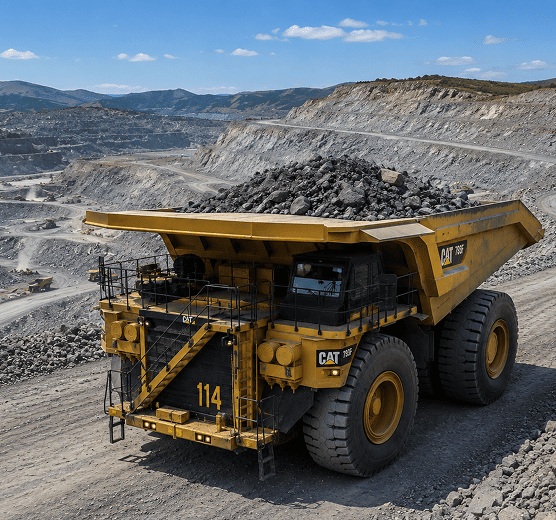
OEM, Aftermarket, or Remanufactured: How to Decide Part by Part
Trustynet • 24 de June de 2026“Original or generic part?” is the wrong question. The right one is: for this specific…
Looking for a specific part?
These articles are not a substitute for a quick quote
If you already know what you need, skip the theory: send us the reference and we’ll respond within 24–48 hours.