“Original or generic part?” is the wrong question. The right one is: for this specific part, in this machine, and in this situation, which option offers the best balance between cost, lead time, and reliability?
The three options—original (OEM), certified aftermarket, and remanufactured—are valid. The mistake is to apply a fixed rule to the entire catalog. The decision is made component by component and depends on three variables.
The Three Deciding Variables
When an Original (OEM) Part is Best
For highly critical components, very tight tolerances, or when equipment warranty requires it. If premature failure can damage larger assemblies, the extra cost of the original is a reasonable insurance.
When Certified Aftermarket is the Best Option
For wear parts and consumables with a mature aftermarket and proven manufacturers. The key is “certified”: not all aftermarket parts are equal, and knowing which brands hold up is precisely what an experienced supplier provides.
Independent Criteria
At TLB, we offer you all three options when available and explain which is best for your case. The decision is yours, with the information at hand.
When Remanufactured Wins
For large assemblies—engines, transmissions, hydraulic pumps—where remanufactured offers new performance at a fraction of the cost, with a warranty and often a better lead time than importing a new one.
The most expensive component is not the one that costs the most to buy, but the one that costs you the most when it fails prematurely.
In Summary
There is no universal answer: there is a decision for each component. With criticality, urgency, and budget on the table—and a supplier who knows which alternative holds up—the choice ceases to be a gamble and becomes a calculation.
Read More
Related Articles
-
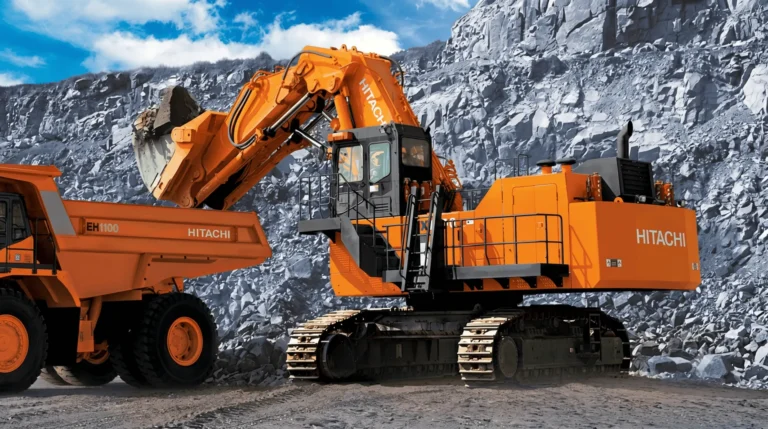
How to reduce downtime for a 240 t mining truck
Trustynet • 23 de June de 2026A stationary 240-ton mining truck can cost thousands of dollars per hour in lost production…. -
Plant wear consumables: what to always keep in stock
Trustynet • 24 de June de 2026In a processing plant, a shutdown doesn’t affect one machine: it affects the entire line….
Looking for a specific part?
These articles are not a substitute for a quick quote
If you already know what you need, skip the theory: send us the reference and we’ll respond within 24–48 hours.